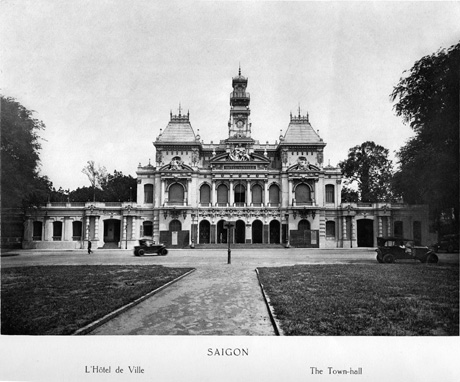
"There were, even, little crocodiles of piously-dressed, slant-eyed, yellow-faced pupils to greet the nuns, and of lay-workers to greet the monks...Only the two French-Canadians, genial but suspect as ever, were left to themselves, wildly photographing gendarmes, customs-house officials and departing passengers alike.
But as we drove into the town, it became plain that Saigon was, in fact, an achievement, unique, a French city flowering alone out of a tropical swamp in the farthest corner of Asia. Once there, within its narrow confines, it is as though, in the manner of the polite fiction adopted by embassies the world over, you stood upon the actual soil of France."
Wednesday, May 4, 2011
Saigon in the 1930s
Monday, March 28, 2011
Religion and Reconciliation
My dear friend the Ven. Bhikkhuni Thich Nu Tinh Van pictured at a recent conference in Singapore.
Ve. Tinh Van is one of Vietnam's leading Buddhist monastics, and an inspiration to women religious everywhere. She is also an accomplished Buddhist scholar. having earned her PhD in Pali studies and being a lecturer at the Van Hanh Buddhist Monastic University in Ho Chi Minh City.
Sunday, March 20, 2011
7 Ways to Pursue Your Writing More Seriously

As a published writer I frequently get contacted by friends, acquaintances and total strangers asking me for advice on how to more seriously pursue a career in writing. While I love answering these people in-depth and giving them all kinds of tips and leads, I also thought it might be helpful if I distilled this advice for anyone to read and act on. So here are my 7 Ways to Pursue Your Writing More Seriously:
- Enrol in a University writing course - This is controversial advice, as there are many people out there who will tell you that there is no need to do such a thing, that writing can't be taught etc. etc. Bunkum. Many of the most successful writers working today are the products of University-based creative writing courses. Even I, in my own modest way, can trace the trajectory of my professional writing career back to a University writing course. Ther are many reasons why such courses work: You are encouraged to think realistically about your writing and your market; you are placed in a competitive milieu which ratchets up your productivity, output and daring; and you have a lot of the really rough corners of your writing beaten out of you because of the constant criticism your writing is subjected to.
- Join a Writers' Centre - Such centres exist in most states in Australia, and in some regional areas. Again, they build a sense of milieu, and they offer great courses which will help you to refine your craft. They also tend to produce excellent newsletters filled with good practical advice for all writers.
- Sign up for a private writing course or workshop - These can be expensive, but they are so worth it. Just save your pennies and think of it as a holiday. The people who run these courses (and I think instantly of my great friend and mentor Jan Cornall) are dedicated, professional and in love with writing. They are also invariably interested in you and what you are writing - which can put them in a minority right at the beginning of your career.
- Go away and write - If you are on a budget, then go off to a cabin or a monastery and spend some time with you and your paper. No internet connection is a plus. Spend time with yourself and your ideas about writing. This is not meant to be where you really get started on your masterpiece (though it might well turn into that). It's more of a time for you to think and write and get every single idea, hope and goal down on paper. Take a half dozen self-help books with you and do all the exercises. Re-imagine yourself as an interesting, creative being. If you have the money and the time, think about doing an organised writing retreat in somewhere like Bali or Phuket - these can often be cheaper than you would imagine. Quite successful and accomplished writers run such retreats, so watch their websites and keep an eye out.
- Do The Artist's Way - Yeah, I know a lot of people will poo-pooh this suggestion, but the fact is that this amazing course in creativity has helped many very successful people to re-launch thier careers. Many places offer an organised Artist's Way Course and this would be even more of a plus.
- Join a local writing group - This is separate to joining the bigger and better organised state writers' centres. Local groups can be chaotic, filled with every kind of eccentric. But I found my involvement to be immensely valuable in helping me to conceive of myself as a writer once more. And they can provide plenty of material for later stories.
- Read, read, read - I am always bothered when people who don't read want to start writing. I'm gonna put my neck out here and say that there has never been a really good writer who wasn't also a voracious reader. I once went to hear British novelist Jeanette Winterson speak, and she said that universities should be offering creative reading workshops as well as creative writing workshops. If you are just launching yourself back into writing I would suggest you push your laptop aside for a month and do some solid reading. Read half a dozen or so books on writing; a few self-help and inspirational books; a few biographies of great writers; and at least the current Top 10 bestsellers in whatever genre you want to write in.
These tips are intended for people who have maybe put their writing aside for many years as they attended to a more sensible career.
I would love to hear from people with other tips, or more detailed information on the suggestions I have listed here.
Sunday, January 30, 2011
Tet at My Neighbourhood Temple

I live in the heart of Vietnamese Sydney, and am surrounded by at least a dozen Buddhist temples. If you hop in the car and venture further afield there are probably closer to 20.

But one of my favourites is the little house temple closest to me - Chua Minh Giac.

I visited on the weekend, when they were getting ready for the Lunar New Year.
Here is a little video of the surrounds, and some lovely pics of the main shrine taken by Thang.
Thursday, January 20, 2011
"Destination Saigon" at Phuket Airport!

My gorgeous friend Sandy Weir is just about the most brilliant woman in Australian publishing, and pretty glam to boot. And dammit, she knows a good book when she sees one.
Recently she was on holiday in Phuket - cue global shortage of pina colada mix - and, on her way home, spotted Destination Saigon at the bookstore at Phuket airport and took this great shot for me. Right near Paul Theroux, no less!
I always get very excited when my book is sighted overseas. So far I've heard it's being sold in pirate editions in the backpacker districts of Ho Chi Minh City, at Bangkok International Airport, bookshops all around Hong Kong, Monument books in Phnom Penh and at Siem Reap airport.
And now at Phuket!
Wednesday, January 12, 2011
Destination Saigon in Khmer!
Now don't get excited - no-one is translating Destination Saigon just yet (though note to my Cambodian friends - please feel free to!). When I was in Cambodia recently I met some really wonderful young writers, and my dear friend there, author and songwriter Sok Chanphal, has done a blog entry about me and my book. Of course, I can't yet read a word of it, but for all of you Khmer speakers out there, here it is!
"កាលពីខែធ្នូ ២០១០ ខ្ញុំបានទទួលសៀវភៅមួយក្បាលពីបងប្រុស Walter Mason
គាត់បានមកស្រុកខ្មែរដើម្បីចាប់ផ្ដើមសរសេរសៀវភៅមួយក្បាល ហើយត្រូវបាននែនាំឱ្យស្គាល់ខ្ញុំតាមមិត្តខ្ញុំ សួង មាក់ ដែលកំពុងរៀននៅប្រទេសឡាវ។ Walter Mason ជាអ្នកនិពន្ធជាតិអូស្ត្រាលី ដែលបានជោគជ័យក្នុងការសរសេរសៀវភៅមួយក្បាលពីប្រទេសវៀតណាម Destination Saigon ។ ពេលដែលគាត់មកភ្នំពេញ ខ្ញុំក៏បាននែនាំមិត្តអ្នកនិពន្ធក្មេងៗរបស់ខ្ញុំឱ្យគាត់ស្គាល់ និងបានជូនសៀវភៅដែលខ្ញុំនិពន្ធទៅគាត់ ហើយគាត់ក៏សន្យាថានឹងរៀនភាសាខ្មែរ ដើម្បីអានសៀវភៅទាំងនោះ។ នេះគឺអ្វីដែលគាត់បានសរសេរពីខ្ញុំ និងការបោះពុម្ពសៀវភៅរបស់ខ្ញុំ នៅគេហទំព័រសៀវភៅរបស់គាត់៖ Destination Saigon in Cambodia
ហើយនេះគឺជាសៀវភៅដែលគាត់បានជូនខ្ញុំ
"
Tuesday, November 23, 2010
Meditation
But anyone who has spent any time in a predominantly Buddhist country will tell you that this is not really true. In my experience the vast majority of Buddhist lay people in Asia do not practice meditation, though many will claim it is a good thing to do. Even more surprising, most Buddhist monastics have no regular meditation practice to speak of.
This is especially true in Vietnam, where monks and nuns are quite intergrated into the community, and lead busy lives of social and religious organisation. Apart from counselling, the provision of charity and other pastoral work, the main work of monastics in Vietnam seems to be the administration of temples (especially overseeing extensions, repairs and other building work), the care of younger monastics in their charge, conducting daily prayer sessions, making themselves available for memorial ceremonies, planning festivities for religious holidays and the study of religious and other topics - probably in that order. I can honestly say that, in the course of 16+ years study and travel in Vietnam and having dozens of monastic friends, I have never met a single monk or nun in Vietnam who practices meditation in any consistent way. I have visited three temples there where meditation is the primary focus, but these tend to be isolated retreat centres, and viewed by the locals (and almost especially by other monastics) as exotic sites quite alien ot the general thrust of Vietnamese Buddhism.
Of course, starting out as a young Buddhist this all came as a terrible blow to me. Almost from the beginning of my interest in Buddhism I had carefully and conscientously attended meditation classes and pursued my own meditation practice at home. I was (I am) a great fan of the writing of Vietnamese Zen Master Thich Nhat Hanh, and had assumed that he was describing the standard of Vietnamese Buddhism.
Staying in Vietnamese monasteries I became increasingly frustrated at the absence of what I then considered "proper" practice. I would ask the monks when they meditated and they would look at me in a confused and apologetic manner. I looked down on them - this wasn't the way things were meant to be. I was the original religious imperialist.
But when I came back to Australia I made the acquaintance of a very senior Vietnamese monk, and he explained that this obsession with meditation as the singular and superior form of Buddhist practice was a recent Western phenomenon. He convinced me that a life well-lived, engaged with the lay-people, trying to meet their all-too-worldly expectations and alleviate their existential anxieties was work enough for most monks. Their meditation was in an active form, either in chanting the sutras or reciting the Buddha's name while using the rosary.
The last time I was in Vietnam I spent a lot of time at one of the big temples in Ho Chi Minh City. My friend, a young monk who excelled in administrative matters and also spent a lot of time blessing the statues for people's home shrines, pointed out a large new building that had been added to the temple complex.
"What is it?" I asked.
"Oh, a zen hall - for the monks to practice meditation. An overseas Vietnamese paid for its construction."
I was shocked because I had never witnessed this community in meditation. Indeed, I'd never even heard the word mentioned before. The look on my face must have been obvious, because my friend smiled and patted me on the arm reassuringly.
"Never once been used for the purpose," he said with a laugh. "But it's an excellent spot for visiting monks to sleep in when they are here."